Getting to Know Me Wednesdays: Shadowing in The Malverns

As part of my regular “Getting to Know Me Wednesdays,” I like to share a little more about my journey — both professionally and personally — so you can get to know the person behind SafeSpace Counselling.

Counselling isn’t just about qualifications or techniques. It’s also about connection, trust, and authenticity. That’s why I believe it’s important to open up about my own learning process and the steps I’m taking to grow — not just as a counsellor, but as a human being committed to supporting others.

This week, I’m excited to share that on Thursday, I’ll be spending the day shadowing at Citizens Advice in Malvern — part of The Malverns, an official Area of Outstanding Natural Beauty. The Malverns are rich in history, full of inspirational views, incredible walks, and a real sense of community spirit.

During this shadowing experience, I’ll be observing how the public can walk in, sit down, and talk through whatever they need support with — whether that’s practical advice, emotional concerns, or navigating difficult life situations. It’s a chance for me to see how the process works in real time, to gain valuable insight, and to deepen my understanding of how front-line support operates.

This is just the beginning of the journey. After this first shadowing session (and probably a few more), I’ll continue with further training at home. Eventually, I’ll begin offering support under supervision — with someone sitting alongside me to make sure everything is running smoothly — before stepping fully into the role of advisor myself.

Although I’m based in Worcestershire, I’m lucky to be right on the borders of Shropshire and The Malverns. Malvern is a place I visit often, especially for business meetings through the Herefordshire & Worcestershire Chamber of Commerce (HWCC). Each of these three counties has its own unique beauty, and HWCC plays a vital role in bringing us together — creating a supportive web of professional connections that feel intrinsically linked, like a spider’s web, woven with purpose and care.

This new chapter is something I’m truly excited about. It’s another step in my lifelong commitment to helping people feel heard, understood, and supported — wherever they are in life.

📌 Stay tuned for updates once I’ve completed my first day of shadowing.

Posted in Getting to Know Me | Tagged , , , , , , , , , , , , , , , | Leave a comment

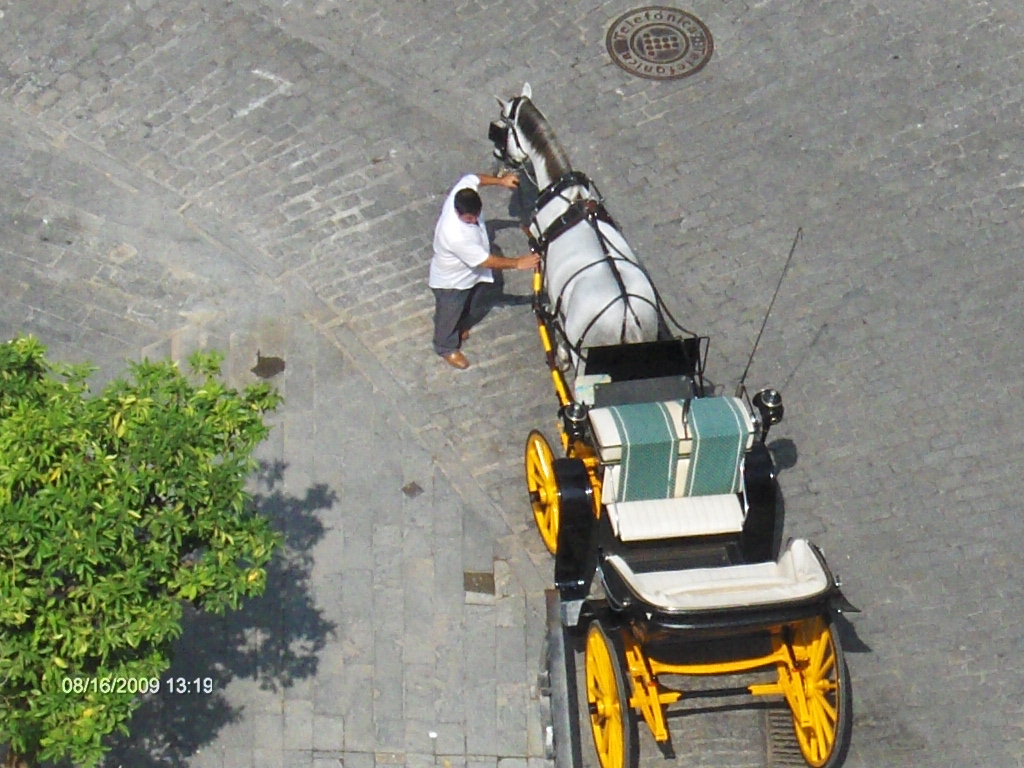
Beautiful City Of Seville

A trip down memory lane! I’ve enjoyed many holidays in Spain, and each time I’ve visited the beautiful city of Seville. The Seville Cathedral (Catedral de Santa María de la Sede) is the world’s largest Gothic cathedral, and I’ve taken countless photos from its incredible heights.

It’s been too long since my last visit, but if you haven’t been, I highly recommend adding it to your holiday list. Seville is a stunning city with lovely food, amazing people, and a fantastic atmosphere. 🌟📸❤️

Posted in Getting to Know Me | Tagged , , , , , , , , , | Leave a comment

Feeling Lost Abroad? Get Expert Expat Counselling & Coaching

Expat Counselling & Coaching – Find Calm, Confidence, and Clarity Wherever You Are

Living abroad can be exciting—but it also brings unique emotional challenges. Many expats experience isolation, culture shock, stress, and anxiety while adjusting to a new life overseas. At SafeSpace Counselling, I offer professional, confidential online counselling and coaching for expats designed to support your mental health wherever you are in the world.

Whether you’re coping with homesickness, relationship issues, workplace pressure, or the uncertainty of starting over, you don’t have to face it alone.

As an ACCPH Level 4 qualified counsellor (Reg. No. 00003420), I provide a safe, non-judgemental space to explore your emotions, regain balance, and build emotional resilience. With flexible online sessions and a WhatsApp chat service, you can access English-speaking counselling for expats from the comfort of your home—no matter your timezone.

At SafeSpace, you’re in good hands—here to help you find calm, clarity, and confidence while living abroad.

Posted in Expats-Digial Nomads | Tagged , , , , , , , , | Leave a comment

Professional Counselling for Men’s Mental Health in Worcestershire & Shropshire

Men’s Mental Health Support in Worcestershire & Shropshire

Modern life places increasing pressure on men — especially those balancing work, family responsibilities, and financial stress. Across Worcestershire and Shropshire, many men are quietly carrying anxiety, burnout, and emotional strain without support.

In rural areas such as Tenbury Wells and surrounding Shropshire communities, these challenges can feel even more intense. Long working hours, isolation, and limited access to local services often make it harder to open up. Since COVID, rising living costs and uncertainty have only added to this pressure, affecting sleep, relationships, and overall wellbeing.

The Reality for Men in Rural Communities
For many men, stress builds gradually:

Working long hours to keep up with rising costs
Managing family life with little time to switch off
Feeling emotionally drained but unsure how to talk about it

What starts as everyday pressure can lead to irritability, low mood, anxiety, and disconnection in relationships. Without the right support, these issues often grow over time rather than resolve.

Why Men Often Don’t Seek Support
Across the UK, suicide remains the leading cause of death for men under 50. Despite this, many men still feel expected to “just get on with it” or avoid talking about their emotions.

In Worcestershire and Shropshire, this is often reinforced by rural culture, distance from services, and the belief that asking for help is a sign of weakness. In reality, reaching out is a practical and proactive step toward better mental health.

Counselling for Men at SafeSpace
At SafeSpace Counselling, I offer professional, confidential counselling for men across Worcestershire and Shropshire. My approach is straightforward, supportive, and focused on real-life challenges.

I work with men experiencing:

Stress and burnout
Anxiety and overthinking
Depression and low mood
Relationship difficulties
Life transitions and identity challenges

Sessions are available online or in-person, with flexible evening and weekend appointments to fit around work and family life.

Tailored Support for Local Life
I understand the specific pressures faced by men in rural communities. Support can be tailored to areas such as:

Isolation and lack of connection
Seasonal work stress (including farming and lambing season)
Fatherhood and family pressures
Midlife challenges and direction

Book a Free Clarity Call
If you’re feeling overwhelmed, stuck, or unsure where to start, talking can help. I offer a free 15-minute Clarity Call -a relaxed, confidential conversation to explore your situation and see if counselling feels right for you.

📍 Supporting men in Tenbury Wells, Worcestershire, Shropshire, and surrounding areas


📅 Book Your FREE 15 Minute Clarity Call

You don’t have to carry everything on your own — support is available.

Compassionate male counsellor and anxiety specialist offering support for men’s mental health and loneliness
A calm and supportive space for men navigating loneliness, anxiety, and life’s challenges
Posted in Men’s Mental Health & Suicide Prevention | Tagged , , , , , , , , , , , , , , , , , , , , | Leave a comment

It’s Time to Pause: A Fresh, Flexible Approach for Stressed-Out Parents

Parenting doesn’t come with a pause button — but maybe it should.

Between the school runs, the work deadlines, the never-ending laundry and late-night overthinking, it’s no wonder parents feel utterly wrung out.

But what if support didn’t mean one more thing on your list — but instead, a moment off it?

Parent Pause is here to give you just that. A breath. A reset. A gentle “you’ve got this.”

🌀 It’s not your average counselling service.
This is support that fits into your day, not disrupts it. Built with flexibility, empathy, and calm at its core.


5 Quick “Pause Prompts” for Stressed-Out Parents:

💨 1. 4-7-8 Breathing
Breathe in for 4 seconds, hold for 7, and exhale for 8. A powerful nervous system reset you can do anywhere.

💗 2. Hand-on-Heart Reassurance
Place your hand gently over your chest and say, “I’m doing my best.” This simple act reduces cortisol and brings self-compassion.

🚶‍♂️ 3. The 90-Second Reset Walk
Step outside — even if just to the garden or street. Look at the sky, stretch your arms. Movement + nature = instant clarity.

📝 4. Give Yourself a Permission Slip
Say it aloud: “I’m allowed to rest. I don’t have to earn it.”
That’s your new mantra.

5. Cup Check-In
Pause. Ask yourself: “What’s one small thing I need right now?” It could be water, a hug, silence, or simply to stop. Then honour it.


These gentle tools help you shift from survival mode to presence — not perfectly, just gradually.

You Deserve to Pause ||

📞 Book your free 15-minute clarity call today.
DM the word PAUSE.

Let’s make your wellbeing part of the plan — not an afterthought.

Posted in Support for Teens: Guidance for Parents | Tagged , , , , , , , | Leave a comment

Burford Gardens: Chrome Dreams, Deck Chairs, and the Fine Art of Being Ignored

Every now and again, life grants you a small mercy—in this case, a classic car show held just five minutes from my home. Burford Gardens hosted it, with all the understated pomp and inadvertent theatre one expects from a British event where heritage vehicles and hesitant sunshine attempt a polite coexistence.

It began at eleven. I arrived just as the clouds considered but ultimately declined to open up. A fine stroke of timing on my part—or at least a rare example of the weather deciding to behave like a decent human being.

The scene? Well-populated with the predictable yet oddly comforting icons: sleek Jaguars, stoic Rovers, the odd flirtatious Ford Thunderbird clearly confused about the postcode, and even a few military vehicles that looked like they’d rather still be storming a beach than parked on a lawn beside a hot dog stand.

Armed with my camera, I did what any enthusiast would—try to take photographs. But of course, this is Britain. And here, we possess an almost supernatural instinct to block someone else’s shot. There’s a unique national talent for stepping directly into frame at the exact moment the shutter clicks. It happened so often I began to suspect a coordinated effort.

Then there were the owners. A breed all their own. Veteran exhibitors, they came equipped with folding chairs, Tupperware, and what looked like World War II-issue flasks. They formed tight defensive rings around their vehicles, chatting only to one another, eyes glazed in a kind of meditative disdain. Many simply sat inside their cars, expressionless—possibly asleep, possibly awaiting activation. It was hard to tell.

I managed a few decent photos despite the visual obstructionists and occasional deckchair garrison. Some vehicles were stunning—lovingly restored to their original glory. Others seemed to have been dragged out of retirement against their will. I’m not sure why one would present a classic car in mid-breakdown, but then again, the British do love a good underdog story.

Conversations were had—some more enlightening than others. I met a few friendly exhibitors who had travelled from Oxford and Essex, keeping alive the noble tradition of spending one’s weekend polishing chrome in the name of nostalgia.

As I was preparing to leave—cue the drizzle, right on schedule—a vintage police car arrived. Possibly 1960s. Possibly from a time when the biggest crime was parking too close to a postbox. I took a final snap as they pulled in. They waved, smiled, perhaps relieved not to be chasing anyone.

So that was the day. Local. Free. Eccentric. Very British. I’ve uploaded the photos—even the ones with legs, arms, and the occasional determined dog in the way. If anything catches your eye, let me know. And if you see yourself in one of them, standing directly between me and the bonnet of a Bentley… well, thanks for the cameo.

Posted in Getting to Know Me | Tagged , , , , , , , , , , , , , , , , | Leave a comment

Loneliness, Mental Health & Early Intervention for Young People

The Hidden Struggles of Today’s Teens

From an increasingly early age, children and teens are trying to find their place in a world that moves too fast. They’re growing up in a culture shaped by:

  • Social media comparisons
  • Academic and peer pressure
  • Reduced family time due to work demands
  • Isolation from meaningful connection
  • Oversized classrooms and underfunded support systems

While parents and teachers do the best they can, the pace of modern life often leaves young people feeling unseen, unheard, and overwhelmed. Many turn to screens, gaming, or scrolling just to cope — but this only deepens their sense of disconnection.

Why Early Intervention Matters

As a counsellor with a deep commitment to young people’s mental health, I offer:

  • 1-to-1 counselling for teens
  • Support with anxiety, low confidence, and loneliness
  • Partnership opportunities with schools and youth-focused organisations
  • Flexible, respectful, and non-judgemental support — online or in person

Whether it’s a student who feels invisible, a teen overwhelmed by expectations, or a parent unsure how to help — I provide a safe space for change and growth.

Book a Free 15-Minute Clarity Call

I offer a no-obligation 15-minute clarity call to parents, teachers, and organisations who want to explore ways to support the young people in their care.
📩 Or DM the word PAUSE to start a private conversation

Let’s build a world where every young person feels supported, seen, and heard.

Posted in Support for Teens: Guidance for Parents | Tagged , , , , , , , , , , | Leave a comment

“Just Letting Off Steam?” – The Hidden Cost of Substance Use in Men’s Mental Health

“He’s just blowing off steam.”
“That’s just how blokes handle stress.”
“He’s out of control—he needs to grow up.”

These are the kinds of comments I hear too often when men struggle with substance use. But what if we stopped judging and started looking beneath the surface?

Men are more likely to turn to substances—alcohol, drugs, or even compulsive behaviours like gambling—to cope with unspoken emotional struggles. It’s a survival tactic, not a weakness. Unfortunately, it often masks much deeper issues like:

  • Chronic stress or burnout
  • Depression and anxiety
  • Childhood trauma or grief
  • Relationship breakdown
  • A deep fear of being seen as weak

Instead of recognising these as cries for help, society labels them as antisocial, aggressive, or problematic. These “masculine” stereotypes not only fuel stigma, but also prevent men from reaching out before it’s too late.

The Risk Is Real

Substance use can numb the pain—but it also increases the risk of suicide, self-isolation, and spiralling mental health. Without intervention, it can become a trap.

💡 Men in the UK are three times more likely than women to die by suicide.
Substance misuse is a major contributing factor—yet many men never get the support they truly need.

What Can Help?

  • A space where men can talk openly without judgement
  • Support that treats the root causes, not just the behaviour
  • Early conversations that challenge stigma, not reinforce it

If any of this resonates with you—or with someone you care about—please know: there is another way. You don’t have to go through it alone.

🎯 Free Clarity Call

I offer a 15-minute free clarity call for men who are ready to talk, even if it’s just a little. No pressure. No judgement. Just space.

📩 DM me the word PAUSE, and let’s begin.

Posted in Men’s Mental Health & Suicide Prevention | Tagged , , , , , , , | Leave a comment

Why I Took Control of My Own Health – and What That Journey Taught Me

From the age of 18, I’ve believed in taking full responsibility for my own health. But it didn’t start that way — it started in pain, frustration, and a deep feeling of being let down.

It began with pain — and a five-minute appointment

I turned up at my GP’s office in absolute agony, struggling to eat or even drink. I didn’t know it then, but I was dealing with something close to an ulcer. After a rushed five-minute appointment, I was told to take two paracetamol and go home.

I was stunned. Furious, even. That couldn’t be it — and I knew it.

Luckily, I had private health insurance at the time. When I mentioned it, the doctor laughed… until I showed the card. Suddenly, I was referred. Two days later, I was sitting in front of a consultant.

It all looked professional — tests were done, discussions were had — but six months passed and I was still unwell. It was nearly impossible to get follow-ups. When I finally got through, the consultant greeted me with, “How are you doing?” I replied, “No better than the first time I saw you.”

He seemed annoyed. He sent me for an ultrasound — finally — and the technician told me plainly: “You haven’t got an ulcer. You’ve got irritable bowel.”

Relieved, but fed up, I walked straight into a city centre bookshop, bought a book on IBS, read it on the train home, and started managing my own recovery. That was the beginning.

From that moment on, I changed everything

I stopped relying on professionals to “fix me” and started investigating. I became deeply curious about the links between food, stress, gut health, and wellbeing.

That doesn’t mean I rejected medicine. My current GP in Tenbury Wells is excellent — but I only go when I absolutely need to. And when they prescribe something, I research it. Every. Single. Time.

A bowl of cereal changed everything

Years later, while working full-time as a driving instructor, I found myself needing the toilet all the time — even though I barely drank anything during the day. I put it down to stress or bad luck.

Then one evening, I came across a video on YouTube about hidden sugars — especially in breakfast cereals. It simply said: “Stop eating cereals, and you’ll stop needing the bathroom so much.”

I thought, Surely not… but what’s the harm in trying?

I swapped cereal for scrambled eggs. Within days, my bathroom visits drastically reduced. I could teach two-hour lessons without needing a break. It was like night and day.

That discovery led to me learning more about hidden sugars — how nearly everything we eat becomes sugar, and how our bodies often struggle to process it. It explained so much about the fatigue, the thirst, and the undiagnosed symptoms I’d been living with for years.

Eventually, I was officially diagnosed with type 2 diabetes — first by my optician (yes, really), then confirmed by blood tests from my GP.

What I’ve learned

  • Doctors can miss things. Don’t be afraid to trust your instincts.
  • Most of what we’re told is “healthy” is packaged, processed, and full of sugar.
  • Reading one book — or watching one video — can change your life.
  • Your health is your responsibility. And your right.

I’m not anti-doctor. But I am pro-ownership. I encourage anyone reading this to get curious about their health. Ask questions. Explore alternatives. Read. Watch. Learn.

Sometimes, the smallest shift in knowledge leads to the biggest breakthrough.

If you’re on a health journey, or feeling lost in a sea of conflicting advice — I invite you to reach out. I offer a free 15-minute clarity call where you can chat openly, without judgement. Just DM the word PAUSE to start.

Disclaimer: I am not offering medical advice. Please consult your GP or diabetes specialist before making changes to your health routine.

Posted in Getting to Know Me | Tagged , , , , , , , | Leave a comment

Have We Lost the Human Connection? Why AI Can’t Replace Real Therapy

The Rise of AI: A Blessing and a Caution

There’s no denying the usefulness of AI. From creative image generation to answering simple questions, it’s fast, intelligent, and surprisingly intuitive.

But I’ve noticed a growing trend—people turning to AI to process their deepest emotional struggles. Seeking therapy… from a machine.

As a counsellor, I find this concerning. Not because I feel threatened—but because I care about people getting the right kind of support.

What AI Can’t Do

AI can simulate empathy. It can offer advice. It can even “sound” like it understands you.

But it doesn’t feel. It doesn’t know your history. It can’t sit beside you in silence or gently guide you through painful memories.
Therapy is about more than answers—it’s about healing, connection, trust, and transformation. It’s about building a relationship with someone who truly wants to see you thrive.

The Danger of the Quick Fix

Relying on AI for emotional wellbeing might offer a short-term sense of relief. But in the long run, it risks isolating people even more—removing the very thing that helps most in mental health: human contact.

Healing takes time. It involves messiness, uncertainty, and moments where you’re not sure how to go on. That’s not something a machine can walk you through.

Connection Still Matters

If cost, shame, or convenience is pulling you toward AI instead of human help—I understand. But please consider this:

Nothing replaces the value of being listened to, encouraged, and gently challenged by another person who cares.

If you’ve been thinking about talking to someone, I’m here. Whether you’re feeling overwhelmed, confused, or just need a safe space to breathe—I invite you to reach out.

DM the word “PAUSE” if you’re visiting from social media.
Or book a free, no-obligation 15-minute clarity call to see if working together feels right for you.

Posted in Loneliness in Older People | Tagged , , , , , , , , , | Leave a comment

Loneliness in Teens: When Perfectionism and Pressure Take Over

The Silent Struggles Teens Don’t Always Share

As a counsellor, I’ve seen firsthand how teenagers mask loneliness under achievement. I’ve seen it during driving lessons—young people visibly tense, pushing themselves to get everything right, as though a minor mistake defines their worth.

Often, the pressure is internal. But sometimes, it comes from external expectations—parents, school systems, even subtle competition among friends.

It’s More Than “Just Stress”

Perfectionism and academic stress can lead to:

  • Social withdrawal
  • Low self-esteem
  • Anxiety and burnout
  • Deep feelings of loneliness, even in groups

And what makes it harder? Many teens hide it well. A smile. An “I’m fine.” But underneath? Pressure. Exhaustion. Disconnection.

H2: What Teens Need to Hear
If you’re a young person reading this—or a parent noticing changes—know this:

  • You’re not your grades.
  • You don’t have to be perfect.
  • Feeling overwhelmed isn’t a failure—it’s a human response.
  • Asking for help isn’t weakness—it’s strength.

You’re Not Alone. Support Is Here.

Reaching out—even just to talk—can lift some of that weight. Whether you’re feeling pressure, loneliness, or simply need to be heard, my door is open.

No judgment. Just understanding, empathy, and support.

🧡 Because your mental health matters—and you matter, just as you are.

Posted in Support for Teens: Guidance for Parents | Tagged , , , , , , , | Leave a comment

Getting to Know Me: Why I’m Wild About Elephants (and All Animals)

Part of the Wednesday Series: A Personal Glimpse Behind the Work

Many of you who know me personally or follow my work know that I have a lifelong love of animals. It’s not limited to pets or farm animals—it’s a connection that spans species and continents.

If someone were to ask me to choose a favourite animal, I simply couldn’t.
How do you choose between the grace of a snow leopard or the strength of a lion? For me, each one is uniquely magical.

That said, today my heart belongs to elephants.
There’s something truly moving about these gentle giants—their emotional intelligence, the way they protect their young, and how they grieve and celebrate as families.

I’m often sent elephant photos and videos (and yes, I absolutely love them). I’m in awe of the conservation efforts happening across the globe to protect these magnificent beings. A heartfelt thank-you to everyone dedicating their time and energy to their wellbeing.

As a child, my only encounters with elephants were in zoos or wildlife parks. But I hope one day to visit a sanctuary or game reserve—perhaps in Thailand—where I could see them roam freely, or even take part in feeding or washing them. That would be an incredible experience.

In the meantime, I find joy in small things—like watching a baby elephant splash around in a paddling pool (I’ve shared the video at the bottom of this post—it’ll make your day!).

💬 Let’s Talk:

Do you have a favourite wild animal? Has a creature ever inspired you, soothed you, or made you feel more connected to nature?
Feel free to share in the comments or drop me a message. I’d love to hear from you.

Posted in Getting to Know Me | Tagged , , , , , , , , , | Leave a comment

The Parable of the Garden and the Keeper

A Story of Resilience for Those Living with Diabetes

The Parable of the Garden and the Keeper

Once, there was a man who inherited a garden.
It wasn’t a garden he had chosen—it came unexpectedly, full of tangled weeds and unpredictable seasons. Some days, it blossomed with life. Other days, it seemed tired and empty. He hadn’t planted it, but now it was his.

Frustrated, the man cried out, “Why me? Why can’t I have a simpler garden like others?”

An old gardener passing by heard him and said gently,
“This garden is still yours. It may not be what you asked for, but with care and consistency, it can thrive.”

So the man began.
He learned to water the soil daily, even when it didn’t show instant results.
He studied which plants needed shade and which ones needed light.
He made mistakes. He forgot. Sometimes he felt exhausted.

But slowly—day by day—he understood his garden.

Over time, the wildness became familiar. The plants responded to his care. The garden didn’t become perfect, but it became manageable, meaningful, even beautiful in its own way.

Most importantly, the man changed too.
He was no longer just the owner of the garden—
he had become its keeper.

The Message Behind the Parable

Living with diabetes can feel like inheriting a garden you didn’t ask for. It takes time, trial, and effort. Some days are overwhelming. But with knowledge, routine, support, and compassion—for yourself most of all—you can transform that garden into something livable, sustainable, even empowering.

Gentle Reminder

I am not offering medical advice. Always consult your GP or diabetes professional. Do your own research and make informed decisions about your health.

✅ You Are Not Alone

Whether you’re newly diagnosed or have been living with diabetes for years, you don’t have to manage the journey alone. If you’re feeling overwhelmed or in need of emotional support, I offer a safe, non-judgmental space to talk and begin healing—whatever your background, ethnicity, or identity.

📩 Reach out today. Let’s take one small step together.

Posted in Getting to Know Me | Tagged , , , , , , , , , , , | Leave a comment

Breaking the Silence – A Safe Space for Young People to Speak Up

Breaking the Culture of Silence Around Masculinity

We live in a world that still tells young men to “man up,” stay strong, and keep their feelings hidden. But the truth is—bottling things up doesn’t make you stronger. It makes you feel alone.If you’re feeling lost, overwhelmed, or struggling with something you can’t even name, you’re not alone. And you don’t have to figure it all out by yourself.

I’m Gordon Winters, a counsellor who works with integrity, empathy, and respect for every young person—regardless of background, ethnicity, gender identity, or sexuality. This is a place where you’re seen, heard, and supported for who you are.

💡 Why This Matters

  • Masculinity doesn’t mean silence.
  • Strength is asking for help when it’s needed.
  • You don’t have to carry it all alone.

Whether it’s anxiety, pressure at school or work, identity struggles, or just a general sense of being lost—I’m here to guide you with no judgment, only compassion.

Reach out today. You deserve support that’s real, grounded, and safe.

Posted in Support for Teens: Guidance for Parents | Tagged , , , , , , , , , | Leave a comment

The Hidden Sugar Trap: What You Don’t Know Could Be Hurting You

🩺 The Hidden Sugar Trap: What You Don’t Know Could Be Hurting You

When most people think of sugar, they imagine cakes, sweets, and fizzy drinks. But sugar has a way of sneaking into our diet—hidden in foods we’d never suspect. From “healthy” breakfast cereals to sauces and soups, it’s easy to consume far more sugar than we realise. And that quiet overload can cause serious harm to our health.

What Are Hidden Sugars?

Hidden sugars are added sugars that aren’t obvious—they appear under different names and are tucked into foods not typically seen as sweet. They’re often used to enhance flavour, improve texture, or extend shelf life.

Common foods where hidden sugars live:

  • Condiments & sauces: Ketchup, barbecue sauce, and salad dressings can contain up to a teaspoon of sugar per serving.
  • Breakfast cereals & bars: Even those marked “whole grain” or “low fat” often contain high sugar levels.
  • Yoghurts & plant milks: Low-fat flavoured yoghurts and sweetened almond or oat milk often pack a sugary punch.
  • Drinks: Fruit juice, sports drinks, and bottled iced teas may contain more sugar than a fizzy drink.
  • Soups, sushi rice & packaged meals: Many premade foods include sugar for flavour balance.
  • Breads, crackers & protein bars: Often marketed as healthy, but sweetened to boost taste.

The Many Faces of Sugar

Sugar rarely appears on food labels as just “sugar.” It hides under names like:

  • Glucose, fructose, maltose, dextrose
  • High-fructose corn syrup
  • Honey, agave nectar, cane juice
  • Fruit juice concentrate
  • Anything ending in “-ose”

📍Tip: If sugar (or one of its many forms) is listed near the top of the ingredients list, the product likely contains a high amount.

What Happens Inside Your Body?

When we eat foods high in sugar—even if we don’t realise it—our bodies respond with spikes in blood sugar. Over time, this can lead to:

  • Increased fat storage, especially around the belly
  • Higher risk of type 2 diabetes, heart disease, and fatty liver
  • Energy crashes and mood swings
  • Inflammation and skin issues
  • Dental decay—even from foods that don’t taste sweet

Even carbohydrates from white bread, pasta, and rice quickly convert into sugar in the bloodstream. That’s why a “savoury” meal can still affect your sugar levels.

How to Protect Yourself

Here’s how to reduce hidden sugar without giving up taste:

  1. Read food labels carefully—look for added sugars and their aliases.
  2. Choose whole foods—vegetables, whole grains, and unprocessed snacks.
  3. Go unsweetened—with milks, cereals, and yoghurts.
  4. Make your own sauces or dressings—it’s easier than you think.
  5. Reduce portion sizes—especially for sauces, ready meals, and baked goods.
  6. Stay hydrated with water—instead of fruit juices or bottled drinks.

Final Thought

You don’t have to fear food—but being informed gives you control. Cutting down on hidden sugars can improve your energy, mood, skin, and long-term health. You deserve to know what’s really in your food.

Disclaimer

I am not offering medical advice. Please do your own research and consult your GP or a diabetes professional before making changes to your diet.

Posted in Getting to Know Me | Tagged , , , , , , , , , , | Leave a comment

20 Early Warning Signs of Diabetes You Shouldn’t Ignore

20 Warning Signs of Diabetes

Diabetes can affect your energy levels, digestion, circulation, and more—often without warning. Whether you’re at risk or simply staying informed, understanding the early signs is one of the best ways to protect your health or that of a loved one.

Common Symptoms of Type 1 and Type 2 Diabetes

🚽 Frequent urination

🥤 Excessive thirst

🍽️ Constant hunger—even after eating

⚖️ Unexplained weight loss

💤 Persistent fatigue

👓 Blurred vision

🩹 Slow-healing wounds or frequent infections

🦶 Tingling or numbness in hands or feet

🍄 Recurrent thrush or genital itching

👅 Dry mouth

🧴 Itchy skin

🌑 Darkened skin patches (neck, armpits)

😠 Mood changes or irritability

🔬 Ketones in urine (mostly in type 1)

🚺 Frequent UTIs

🕒 Hunger between meals

🛏️ Bedwetting (in children)

👶 Behavioural changes in children

🧫 Repeated skin infections or boils

💪 Loss of muscle mass (especially in men)

Why It Matters

Not everyone will experience all symptoms. Some signs—like tingling in the hands or darkened skin patches—can signal long-term or poorly managed diabetes. The sooner diabetes is identified, the easier it is to manage and prevent complications like nerve damage, vision problems, or heart disease.

If you’re experiencing several of these symptoms, don’t wait. Speak to your GP or a healthcare professional.

Disclaimer

This information is not intended to offer or replace medical advice. Please do your own research and always consult your GP or a qualified diabetes professional before making any decisions about your health.

Posted in Getting to Know Me | Tagged , , , , , , , | Leave a comment

Feeling Lost or Overwhelmed as a Young Person? You’re Not Alone

If You’re Feeling Lost, This Is For You

If you’re reading this, chances are you’re feeling lonely—even when surrounded by people. Maybe you’re carrying thoughts that feel too heavy to share. Or perhaps life just feels like too much right now.Let me be clear:
You’re not weak. You’re not broken. You’re human.

And most importantly—you’re not alone.

You Don’t Need to Have All the Answers

Sometimes, what we need isn’t a solution or advice.
It’s someone who notices. Someone who says:

“I see you. I hear you. I’m here with you.”

That kind of connection—real, quiet, non-judgmental—is healing.

Being “The Strong One” Is Exhausting

Maybe you’re known as the one who keeps it together.
Or maybe you’re the “quiet one,” the one who rarely opens up.
But your feelings are real. They matter.
You matter.

Reach Out—Privately, Safely, and Without Pressure

If you ever want to talk—no expectations, no judgment—I’m here.

Just DM the word “TALK.”
I’ll send you a private link for a completely confidential chat.
No pressure. No labels.
Just a safe space to be heard.

Share to Help Someone Silently Struggling

You never know who might be silently hurting. Sharing this might be the one thing that helps them feel seen today.

Posted in Support for Teens: Guidance for Parents | Tagged , , , , , , , , , | Leave a comment

Let’s Talk About It: Self-Harm & Suicidal Thoughts Among Young People

This isn’t just another headline or a mere statistic. It’s a reality — quietly and painfully unfolding in our schools, on social media, and behind closed doors. And it’s happening more often than most people realize.

🔸 In England, nearly 1 in 3 young people aged 16 to 24 have experienced suicidal thoughts.

🔸 Almost half of 17 to 19-year-olds dealing with a mental health disorder have either self-harmed or attempted suicide.

🔸 Young women tend to self-harm more frequently, while young men are at a higher risk of dying by suicide.

🔸 Globally, suicide ranks as the third leading cause of death among those aged 15 to 29.

Each statistic represents a young person who feels lost, overwhelmed, or unheard. Many still hesitate to reach out to parents, teachers, or professionals. They might share their struggles with a friend — or endure it all in silence.

But here’s the silver lining:

  • More young people are beginning to open up.
  • The stigma surrounding these issues is gradually fading.
  • With the right support, many can heal and flourish.

If you’re a young person facing these challenges — or if you’re concerned about someone who is — remember, you’re not alone. You don’t have to shoulder this burden by yourself.

Send me a DM with the word “TALK,” and I’ll share a link for a private, no-pressure chat. Just a safe space where you can be heard.

Let’s continue to break the silence. One message, one life, one conversation at a time.

Posted in Support for Teens: Guidance for Parents | Tagged , , , , , , , , , , | Leave a comment

It’s Not Just About Sugar” – Surprising Symptoms of Type 2 Diabetes

Did you know diabetes can show up in places you least expect?
Have you ever thought about how diabetes can sneak up on you? It’s not just about sugar levels; there are some surprising symptoms of Type 2 diabetes that might catch you off guard.
When most folks think of diabetes, they usually picture constant thirst, feeling tired, or those frequent bathroom trips. But Type 2 diabetes can start sending you subtle hints long before it becomes a bigger issue.


For instance, dark patches on your skin, especially around your neck or armpits, could be an early warning sign. Mood swings or feeling down might indicate your blood sugar is on a rollercoaster ride. And let’s not forget about itchy skin, a dry mouth, or cuts that just won’t heal—these could be more than just minor annoyances; they might be red flags.
Unfortunately, many people overlook these signs, which means they could be living with diabetes for years without even realising it.

Have you ever felt like something was “off” but just brushed it aside? You’re definitely not alone in that.


Knowledge is power! The more we understand, the sooner we can take action. If you want to dive deeper into this and figure out your next steps,
DM me the word “PAUSE” for a FREE 15-minute clarity call. Let’s uncover what’s really happening and create a plan together

Posted in Getting to Know Me | Tagged , , , , , , , , , , , , , , , , , , , | Leave a comment

Feeling Invisible? Let’s Talk Before Loneliness Takes Hold

Loneliness wears many faces.
And while it affects all of us at different stages of life, the quiet ache that settles in with age is often the most overlooked.

It can come after a loss.
When health changes limit your freedom.
When the street doesn’t feel familiar anymore… or the friends who once dropped in now don’t.

The silence builds slowly—until one day you realise you haven’t had a proper conversation in weeks.
No one checking in.
No one asking, “How are you—really?”

We live in a world of:
📞 Endless phone menus
💻 Online forms
📱 One-word texts—if you’re lucky

Where did the warmth go?

As someone who’s always had older people in my life—through family, through community, through my Avon days—I’ve seen how deep that silence can run. I’ve also seen how powerful it is when someone finally feels heard.

That’s why I created SafeSpace On Call.
No counselling.
No coaching.
Just real talk.

A quiet space to chat, reflect, vent, or simply be heard—with no pressure, no judgment, and no expectations.


✅ What It Is

  • A 30- or 45-minute WhatsApp voice or video call with me
  • An easy, affordable way to reconnect with someone who genuinely listens
  • A space to talk about anything: your day, your worries, your memories, or your plans
  • No scripts, no forms, no need to have the “right words”

💷 Pricing

  • £15 for 30 minutes
  • £25 for 45 minutes

Designed to be simple, flexible, and as accessible as possible


🌍 Who It’s For

  • Older adults feeling cut off or invisible
  • Parents, carers, professionals—anyone carrying too much alone
  • Teenagers or young adults navigating hard days
  • People in Worcestershire, Shropshire, across the UK—or anywhere in the world

📩 How to Book

Just send me a message with the word “TALK”
I’ll reply personally and help you choose a time that suits you
(An instant booking link is coming soon—but for now, I’m keeping it personal while this service grows)


One Small Step Can Change Everything

You don’t need to have it all together.
You don’t need to know what to say.
You just need a safe place to start—and I’m here for that.


🔁 Please Share This Post

Even if you don’t need it, someone in your circle might.
One quiet share might reach someone who’s feeling truly alone.

Let’s bring back real connection—one gentle conversation at a time.

SafeSpace Counselling | Gordon Winters
Real talk. Real care. No judgment.
Voice & video support via WhatsApp
📩 DM with the word “TALK” to book your session

Posted in Loneliness in Older People | Tagged , , , , , , , , , | Leave a comment